Creative Careers in 2026 Why Design Education Matters for the Future
2026-09-17Creative Careers in 2026: Why Design Education Matters for the Future
Introduction
The creative industry is changing rapidly. From graphic design and photography to product design, applied arts, fine arts, and set design, creative professionals are increasingly becoming an essential part of modern businesses, media, advertising, entertainment, technology, and lifestyle industries. For students who have a passion for creativity, choosing the right design education can provide a strong foundation for turning artistic interests into professional skills. A design course is not only about learning to draw or create visually appealing work—it is also about developing problem-solving abilities, understanding audiences, experimenting with ideas, using technology, and communicating concepts effectively. Aditya College of Design Studies (ACDS) offers a range of creative programs in Mumbai, including Applied Arts, Photography, Product Design, PCP Graphic Design, Set Design, Vastu Concepts, and Fine Arts. The institution emphasizes experiential learning, academic and industry exposure, creativity, innovation, and entrepreneurship.
Why Choose a Career in Design?
Design influences almost every aspect of modern life. The products people use, advertisements they see, websites they visit, packaging they purchase, photographs they engage with, and environments they experience are all influenced by creative professionals. A career in design can therefore provide opportunities across multiple industries. Some important advantages include:
- Creative expression: Design allows students to transform ideas and imagination into tangible outcomes.
- Problem-solving: Designers learn to identify problems and develop functional and visually effective solutions.
- Multiple career options: Students can explore careers in advertising, media, branding, photography, product development, entertainment, publishing, and more.
- Entrepreneurship opportunities: Creative professionals can establish freelance practices, studios, agencies, or independent brands.
- Technology integration: Modern design increasingly combines artistic skills with digital tools and technology.
- Portfolio-based careers: A strong portfolio can demonstrate practical capabilities to employers and clients.
Explore Different Design Disciplines at ACDS
One of the benefits of studying at a multidisciplinary design institution is the opportunity to explore different creative fields. ACDS currently lists Applied Arts, Photography, Product Design, PCP Graphic Design, Set Design, Vastu Concepts, and Fine Arts among its course offerings.
1. Applied Arts
Applied Arts combines artistic creativity with practical communication and functional design. It can involve drawing, sketching, modelling, perspective, colour, three-dimensional forms, illustration, and visual communication. ACDS offers an Applied Arts Professional Course as well as Foundation and Commercial Arts options. The Professional Course is described as a three-year program, while the Foundation and Commercial Arts courses are listed as 11-month programs, with eligibility beginning at 10th standard pass for the listed programs. Students interested in advertising, communication design, illustration, branding, and visual media can consider Applied Arts as a pathway into the creative industry.
2. Graphic Design
Graphic design is one of the most versatile creative career fields. Businesses depend on graphic designers to communicate ideas through visual identities, advertisements, brochures, packaging, digital media, presentations, and other communication materials. The PCP Graphic Design program at ACDS focuses on visual communication, graphic tools, concept development, design creation, and practical skills. The course information also highlights applications such as website designs, brochures, advertisements, magazines, packaging, hoardings, and presentations. A graphic design student can eventually explore roles such as:
- Graphic Designer
- Visual Communication Designer
- Brand Designer
- Advertising Designer
- Social Media Designer
- Layout Designer
- Freelance Designer
3. Photography
Photography has expanded far beyond traditional studio and print applications. Today, professional photographers contribute to fashion, advertising, e-commerce, journalism, social media, events, marketing, filmmaking, and personal branding. ACDS offers Basic, Foundation, and Specialised Photography courses. The current course page lists a six-month Basic Course, a three-month Foundation Course, and an 11-month Specialised Course. Students can develop skills in areas such as:
- Camera handling
- Composition
- Lighting
- Portrait photography
- Fashion photography
- Product photography
- Commercial photography
- Photo editing
- Visual storytelling
This makes photography an attractive option for students who enjoy storytelling through images.
4. Product Design
Product design focuses on creating products that are useful, functional, attractive, and responsive to human needs. The Product Design course at ACDS emphasizes critical thinking, concept development, design processes, sustainable design, ergonomics, design research, system design, and learning through practical approaches. Career opportunities can include:
- Product Designer
- Industrial Designer
- Furniture Designer
- UX Designer
- 3D Designer
- Design Researcher
- Innovation Consultant
Product design can be particularly suitable for students who enjoy combining creativity with technology, functionality, and problem-solving.
5. Fine Arts
Fine Arts provides an opportunity to explore traditional and contemporary forms of artistic expression. Drawing, painting, sculpture, printmaking, art history, composition, and other artistic practices can help students develop their individual creative voice. The Fine Arts program information at ACDS highlights areas including portrait painting, art history, composition painting, graphic printmaking, graphic designing, ceramics, and moulds. Fine Arts can be suitable for students who want to build careers as artists, illustrators, creative practitioners, art educators, or independent creators.
6. Set Design
Set design combines creativity, spatial understanding, storytelling, and visual planning. It plays an important role in films, television, theatre, advertising, events, exhibitions, and entertainment. Students interested in creating environments and visual worlds can explore set design as a specialized creative career path.
Why Practical Learning Is Important in Design Education
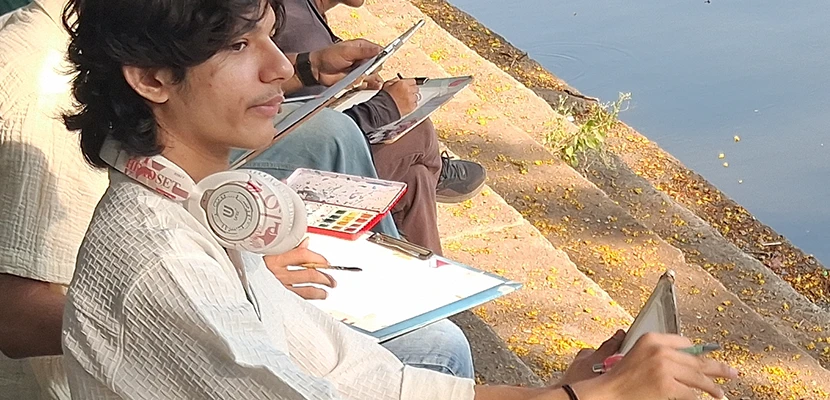
Design cannot be mastered through theory alone. Students need opportunities to experiment, create, make mistakes, receive feedback, and improve their work. A strong design education should therefore include:
- Practical assignments
- Studio-based learning
- Workshops
- Projects
- Portfolio development
- Industry interaction
- Mentorship
- Exposure to contemporary design practices
ACDS highlights experiential learning, industry partnerships, research, innovation, and entrepreneurship as important aspects of its academic approach.
Building a Strong Design Portfolio
A portfolio is one of the most important assets for a creative professional. Instead of simply listing qualifications, a portfolio demonstrates what a student can actually create. A good portfolio should show:
- Original ideas
- Variety of projects
- Technical skills
- Concept development
- Problem-solving
- Design process
- Final outcomes
- Personal creative style
Students should begin documenting their best work from the beginning of their course. Sketches, experiments, photography projects, branding concepts, illustrations, prototypes, and completed assignments can all contribute to a strong portfolio.
Career Opportunities After Design Education
The creative economy offers opportunities across numerous industries. Depending on their specialization and skills, graduates can explore employment, freelancing, entrepreneurship, internships, or independent creative practices. Potential career areas include: Advertising: Creative Designer, Art Director, Visual Designer Branding: Brand Identity Designer, Packaging Designer, Communication Designer Digital Media: Social Media Designer, Digital Artist, Content Creator Photography: Fashion Photographer, Product Photographer, Commercial Photographer Product Development: Product Designer, Industrial Designer, Furniture Designer Entertainment: Set Designer, Production Designer, Visual Artist Fine Arts: Artist, Illustrator, Art Educator, Independent Artist
How to Choose the Right Design Course
Students should consider their interests before selecting a specialization. If you enjoy drawing and visual communication, Applied Arts or Graphic Design may be suitable. If you enjoy cameras and storytelling, Photography may be the right direction. If you enjoy creating useful objects and solving problems, Product Design could be a strong choice. If you prefer painting, artistic expression, and traditional creative practices, Fine Arts may be appropriate. If you enjoy films, theatre, spatial environments, and storytelling, Set Design could offer an exciting pathway. The right course ultimately depends on your interests, strengths, career goals, and willingness to practice consistently.
Why Mumbai Is a Strong Environment for Creative Students
Mumbai is one of India's major centres for advertising, media, entertainment, fashion, photography, publishing, business, and creative entrepreneurship. Studying design in the city can provide students with exposure to a diverse professional environment. ACDS is located at Aditya Educational Campus in Ram Nagar, Borivali (West), Mumbai. For aspiring designers, being part of a city with a large creative ecosystem can complement classroom learning with opportunities to observe real-world design, attend events, build professional connections, and understand industry expectations.
Start Building Your Creative Future
Choosing a design course is the beginning of a creative journey. The most successful designers are not simply people who can create attractive visuals—they are curious thinkers, problem-solvers, communicators, researchers, and lifelong learners. Whether your passion lies in graphic design, photography, product design, applied arts, fine arts, or set design, the right educational environment can help you develop your creative potential and prepare for professional opportunities. Aditya College of Design Studies provides students with multiple creative disciplines to explore, along with an emphasis on experiential learning and industry-oriented development. If you are looking for a design institute in Mumbai where creativity, practical learning, and professional development come together, explore the programs available at ACDS and identify the course that best matches your creative ambitions.
Frequently Asked Questions
1. What courses does Aditya College of Design Studies offer?
ACDS currently lists Applied Arts, Photography, Product Design, PCP Graphic Design, Set Design, Vastu Concepts, and Fine Arts among its courses.
2. Is graphic design a good career option?
Yes. Graphic design can lead to opportunities in advertising, branding, digital media, publishing, marketing, social media, and freelance design.
3. What can I do after a photography course?
Photography graduates can explore fashion, product, commercial, advertising, journalism, event, editorial, and freelance photography.
4. Who can pursue Applied Arts at ACDS?
The ACDS Applied Arts page lists 10th standard pass as eligibility for its Professional, Foundation, and Commercial Arts offerings, subject to the specific course requirements.
5. Why is a portfolio important for design students?
A portfolio demonstrates a student's creativity, technical abilities, design process, and practical experience. It can be an important tool when applying for internships, jobs, freelance assignments, or further education.
6. Where is Aditya College of Design Studies located?
ACDS is located at Aditya Educational Campus, R. M. Bhattad Road, Ram Nagar, Borivali (West), Mumbai.
Conclusion
Design education can transform creativity into a professional skill set. With the growth of digital media, advertising, entertainment, technology, fashion, e-commerce, and creative entrepreneurship, skilled designers have opportunities across a wide range of industries. For students ready to turn their imagination into meaningful creative work, exploring the right design course is an important first step. Aditya College of Design Studies in Mumbai offers multiple creative disciplines designed to help students explore their interests, develop practical capabilities, and prepare for careers in the evolving creative industry.