Vastu Shastra Course in Mumbai Learn the Ancient Science of Harmonious Spaces
2026-08-31Have you ever wondered why some spaces instantly make you feel calm, productive, and comfortable, while others seem stressful or uninviting? The answer often lies in the way those spaces are planned and designed. For centuries, Vastu Shastra, the ancient Indian science of architecture and spatial planning, has been used to create balanced environments that support well-being, prosperity, and harmony.
Today, Vastu is not limited to traditional homes. It is widely considered in residential projects, commercial buildings, offices, hospitality spaces, and interior design. As awareness grows, the demand for professionals who understand Vastu principles alongside modern design practices is increasing.
TheVastu Course at Aditya College of Design Studies (ACDS), Mumbai, provides students with a structured introduction to Vastu concepts while connecting them with practical applications in architecture and interior design. The course is open to 10th-pass students and is offered as a 6-month program, making it suitable for beginners as well as design enthusiasts who want to build specialized knowledge.
What is Vastu Shastra?
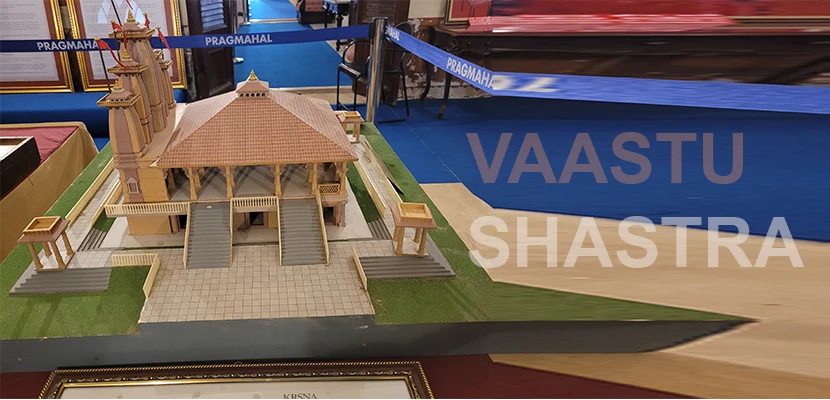
Vastu Shastra is an ancient Indian system of architecture that focuses on planning spaces in harmony with natural elements and directional principles. Traditionally, it emphasizes the relationship between built environments and the five elements—Earth, Water, Fire, Air, and Space—to create functional and balanced spaces.
The discipline studies factors such as:
- Directional planning
- Energy flow within a space
- Room placement
- Natural light and ventilation
- Spatial balance
- Environmental harmony
Many architects, interior designers, builders, and homeowners consider Vastu principles while planning new constructions or renovating existing spaces.
Why Learn Vastu Today?
Modern design is not only about appearance; it is also about creating spaces that are practical, comfortable, and meaningful for users.
Learning Vastu can help students:
- Understand traditional spatial planning concepts
- Expand their design knowledge
- Add value to architectural and interior design projects
- Explore opportunities in residential and commercial consulting
- Develop a broader understanding of Indian design heritage
For students pursuing creative careers, Vastu knowledge can complement modern design education and broaden professional opportunities.
Why Choose the Vastu Course at ACDS?
Aditya College of Design Studies has developed a course that introduces students to traditional Vastu concepts while encouraging practical understanding.
Course Highlights
- Eligibility: 10th Pass
- Duration: 6 Months
- Beginner-Friendly Curriculum
- Practical Learning Approach
- Industry-Oriented Teaching
- Experienced Faculty
- Design-Based Applications
- Creative Learning Environment
The program is suitable for students interested in architecture, interiors, design, and traditional Indian planning concepts.
What Will You Learn?
The Vastu course covers both theoretical concepts and practical applications.
Students are introduced to topics such as:
Introduction to the Five Elements
Understand the role of:
- Earth
- Water
- Fire
- Air
- Space
and how these elements are traditionally associated with spatial planning.
Eight Major Directions
Students learn about:
- North
- South
- East
- West
- North-East
- North-West
- South-East
- South-West
along with their traditional significance in Vastu planning.
Understanding Vastu Purusha
One of the important concepts introduced during the course is Vastu Purusha, a traditional framework used to understand spatial organization within a building.
Students explore how this concept has influenced Indian architectural planning over centuries and how it is interpreted in contemporary design discussions.
Scientific and Historical Perspectives
The course also introduces learners to:
- Historical evolution of Vastu
- Mythological background
- Traditional planning systems
- Scientific perspectives often discussed in relation to Vastu
- Modern relevance in architecture and interiors
This balanced approach helps students understand Vastu from both cultural and design viewpoints.
Practical Learning Experience
At ACDS, learning extends beyond classroom lectures.
Students may engage in activities such as:
- Space analysis
- Layout interpretation
- Design discussions
- Case-study reviews
- Practical assignments
- Concept-based exercises
These experiences help learners understand how Vastu concepts can be evaluated in real-world design scenarios.
Who Should Join This Course?
The Vastu Course is suitable for:
- Students after 10th
- Interior Design Aspirants
- Architecture Enthusiasts
- Creative Designers
- Builders and Contractors
- Real Estate Professionals
- Homeowners interested in spatial planning
- Individuals interested in Indian architectural traditions
No prior knowledge of Vastu is required, making the course accessible to beginners.
Career Opportunities After Learning Vastu
Knowledge of Vastu can complement careers in several creative and construction-related fields.
Possible career paths include:
- Vastu Consultant
- Interior Design Assistant
- Design Consultant
- Space Planning Advisor
- Real Estate Consultant
- Architecture Support Professional
- Home Planning Consultant
- Independent Design Consultant
Many professionals also combine Vastu knowledge with architecture, interior design, and construction services to offer broader consulting solutions.
Why Study Vastu in Mumbai?
Mumbai is one of India's leading centres for architecture, interior design, construction, and real estate.
Studying in Mumbai offers opportunities to:
- Learn from experienced professionals
- Interact with the design community
- Understand modern construction practices
- Build industry connections
- Explore internships and creative projects
This environment makes Mumbai an ideal place to study design-related disciplines.
Why Choose Aditya College of Design Studies?
Aditya College of Design Studies has built a reputation for delivering career-oriented creative education through practical learning and industry exposure.
Students benefit from:
- Specialized Design Programs
- Experienced Faculty
- Modern Learning Facilities
- Practical Assignments
- Creative Workshops
- Portfolio Development
- Industry Interaction
- Student-Centric Learning
The college encourages students to combine creativity with technical understanding, helping them prepare for evolving career opportunities in the design industry.
Skills You Will Develop
By completing the course, students can strengthen skills such as:
- Spatial Planning
- Observation and Analysis
- Directional Understanding
- Design Thinking
- Problem Solving
- Creative Visualization
- Planning Concepts
- Communication Skills
- Professional Presentation
- Client Interaction
These competencies can support further studies and professional growth in design-related fields.
Conclusion
The Vastu Course at Aditya College of Design Studies (ACDS), Mumbai, offers an opportunity to explore one of India's oldest architectural traditions while understanding its place in contemporary design education. With a 6-month curriculum, practical learning approach, and accessible eligibility after the 10th standard, the program provides a strong foundation for students interested in architecture, interior design, and spatial planning.
Whether your goal is to enhance your design knowledge, pursue a creative profession, or gain insight into traditional planning principles, ACDS provides a supportive learning environment where ancient wisdom meets modern design education. If you are looking for a Vastu Course in Mumbaithat combines structured learning with practical applications, ACDS is an excellent place to begin your journey.