Why Industry Exposure Matters in Design Courses in Mumbai
2026-04-29Why Industry Exposure Matters in Design Courses in Mumbai
In today’s fast-evolving creative landscape, design education is no longer limited to classrooms, textbooks, or theoretical concepts. Especially in a dynamic city like Mumbai, where industries such as fashion, media, advertising, architecture, and digital design thrive, industry exposure has become a critical component of design education. Students pursuing design courses need more than technical knowledge—they need real-world experience, practical insights, and professional connections to succeed.
This blog explores why industry exposure plays a crucial role in design courses in Mumbai and how it shapes successful creative careers.
Understanding Industry Exposure in Design Education
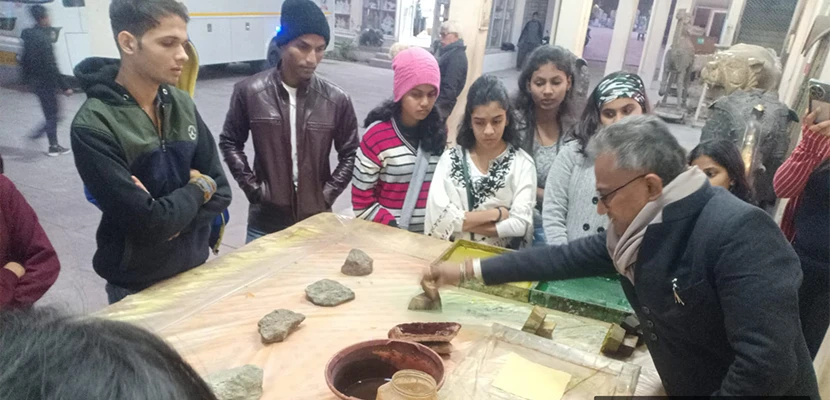
Industry exposure refers to the practical interaction between students and the professional design world. It includes internships, live projects, workshops, site visits, guest lectures, collaborations with brands, and participation in real-time assignments.
Fields like Fashion Design, Interior Design, Graphic Design, and Animation Design demand hands-on learning because they are skill-based and constantly evolving. Industry exposure bridges the gap between theoretical learning and professional application.
Why Mumbai is the Perfect Hub for Design Exposure
Mumbai is often considered the creative capital of India, home to major industries that drive design demand. From Bollywood production houses to fashion studios, advertising agencies, and architectural firms, the city offers unmatched opportunities.
Key advantages of studying design in Mumbai include:
- Access to leading design firms and studios
- Opportunities to work with real clients
- Exposure to diverse cultures and design trends
- Networking with professionals and industry experts
This ecosystem makes Mumbai an ideal environment where students can learn, experiment, and grow simultaneously.
1. Real-World Learning Beyond the Classroom
One of the biggest benefits of industry exposure is that it allows students to apply classroom knowledge to real-world situations. While theory builds the foundation, practical experience refines skills.
For example:
- Designing for a real client teaches time management and client communication
- Working on live projects builds problem-solving abilities
- Exposure to deadlines prepares students for professional pressure
Students gain insights that cannot be replicated in a traditional classroom setting.
2. Skill Development and Practical Expertise
Design is a skill-driven field. Industry exposure helps students:
- Master industry-standard tools and software
- Understand production processes
- Learn current trends and technologies
- Improve creativity through practical challenges
For instance, a graphic design student working on branding for a startup learns much more than just design theory they understand market positioning, audience targeting, and visual storytelling.
3. Building a Strong Portfolio
A portfolio is one of the most important assets for any design student. Recruiters evaluate candidates based on their work rather than just academic scores.
Industry exposure enables students to:
- Work on real projects
- Showcase diverse design styles
- Demonstrate practical experience
- Build credibility
A strong portfolio significantly improves employability and helps students stand out in a competitive job market.
4. Networking Opportunities
In the design industry, who you know can be just as important as what you know. Industry exposure provides opportunities to connect with:
- Designers and creative directors
- Industry mentors
- Recruiters and hiring managers
- Fellow creatives and collaborators
These connections can lead to internships, freelance projects, and even full-time job opportunities.
5. Understanding Industry Trends and Expectations
The design industry evolves rapidly with changing technologies and consumer preferences. Industry exposure keeps students updated with:
- Latest design trends
- Emerging tools and technologies
- Industry standards and expectations
- Client behavior and market demands
This awareness helps students stay relevant and competitive.
6. Improved Confidence and Professional Readiness
Working in real-world environments boosts confidence. Students learn how to:
- Present their ideas professionally
- Handle feedback and criticism
- Communicate effectively with clients
- Work in teams
These soft skills are essential for long-term success in any design career.
7. Internship and Placement Opportunities
Many design institutes in Mumbai collaborate with companies to offer internships and placement support. Industry exposure often leads to:
- Pre-placement offers
- Internship-to-job conversions
- Freelance opportunities
Students who gain hands-on experience during their course are more likely to secure better job opportunities after graduation.
8. Exposure to Multidisciplinary Collaboration
Design rarely exists in isolation. Industry projects often involve collaboration with professionals from different fields such as marketing, technology, and business.
This helps students:
- Understand cross-functional teamwork
- Develop adaptability
- Learn how design integrates with business goals
Such exposure prepares students for real-world work environments where collaboration is key.
9. Bridging the Gap Between Education and Employment
One of the biggest challenges for graduates is transitioning from college to the professional world. Industry exposure reduces this gap by:
- Providing real work experience
- Preparing students for job roles
- Aligning academic learning with industry needs
Students enter the workforce with confidence and clarity about their career path.
10. Encouraging Innovation and Creativity
When students work on real-world challenges, they are encouraged to think creatively and come up with innovative solutions. Exposure to different industries and clients broadens their perspective and inspires unique ideas.
Choosing the Right Design College in Mumbai
When selecting a design institute, students should prioritize colleges that offer:
- Strong industry connections
- Internship opportunities
- Live projects and workshops
- Experienced faculty with industry background
- Placement support
Institutes that integrate industry exposure into their curriculum provide a significant advantage in career growth.
Final Thoughts
In a competitive and fast-paced creative industry, industry exposure is not optional it is essential. It transforms students into professionals by equipping them with practical skills, real-world experience, and industry insights.
Studying design in Mumbai offers a unique advantage due to its vibrant creative ecosystem and abundant opportunities. Students who actively engage with the industry during their course are better prepared to build successful and fulfilling careers in design.
If you are considering a career in design, choose a course that goes beyond textbooks and embraces real-world learning because that’s where true creativity comes to life.